
Table of Contents
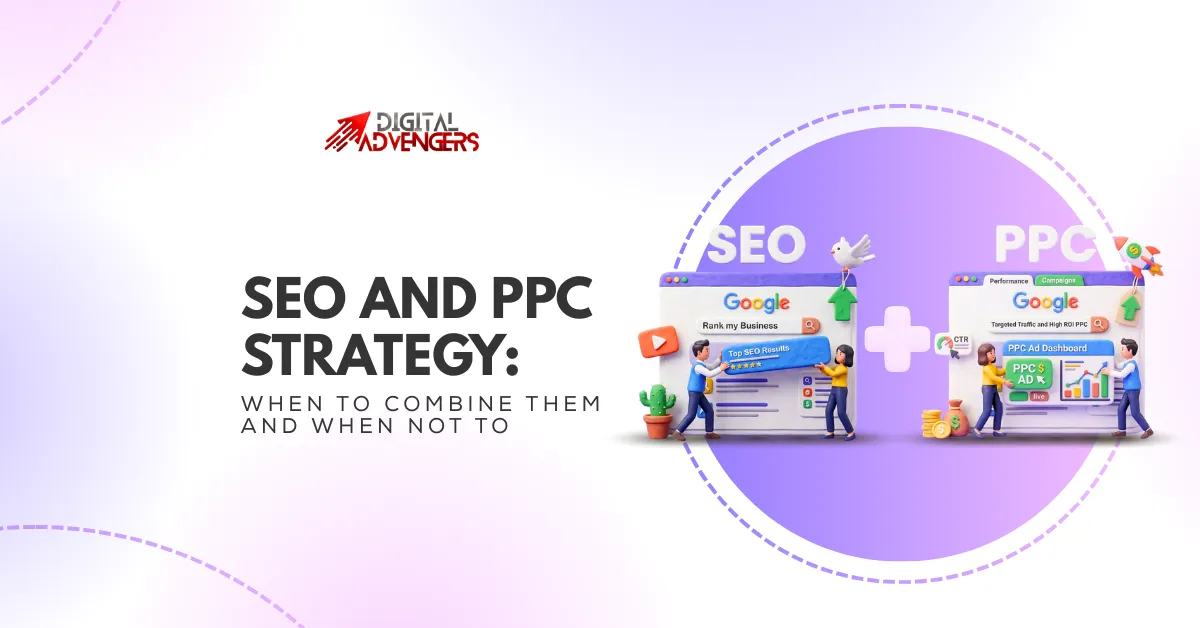
If you run a business online, you probably want one simple thing. Your goal is to have people reach your website when they search on Google. This is where SEO and PPC become helpful. Each approach helps your business become visible in search results. But many people feel confused about how to use them.
Some business owners only focus on SEO. Others spend their budget on ads. And many wonder if they should combine them. This is where a good SEO and PPC strategy becomes important. When you understand how these two methods work, you can use them more smartly.
Understand SEO and PPC
Think about SEO as a long process to grow your website. SEO will help you improve your website pages, content, and structure. So search engines can read and understand your website more easily. When your website becomes stronger, search engines start showing it to people who search for similar services. But SEO takes time. It does not bring results overnight.
Now let’s discuss PPC. PPC advertising is quicker. A business creates ads that show up at the top of the search results page. If the ad is clicked, the website is visited. Because the effectiveness of both SEO and Google Ads strategy bring traffic in the long run and in the short run.
SEO vs PPC Marketing: What’s the Difference?
When people compare SEO vs PPC marketing, it is seen that the biggest difference between the two is time. SEO takes a long time but stays for a long time too. On the other hand, PPC takes a short time but requires constant spending.
PPC is like turning on a spotlight. When you turn on a PPC campaign, people can see your website right away. Both strategies are effective depending on the objective. This is why many businesses create an integrated digital marketing strategy that includes both.
When It Makes Sense to Use SEO and PPC Together
Sometimes using both methods together works really well. Let’s look at some situations where this combination makes sense.
When Your Website Is New
In case your website is new, it might take some time before SEO is effective in generating traffic for the website. The search engines might take some time to understand and trust the pages on the website. In such a case, PPC can be used to generate traffic for the website. This is one of the most common examples of when to use SEO and PPC together. In this case, SEO takes a lot of time, while PPC helps in generating instant traffic for the business.
When You Want More Visibility on Google
Imagine someone searches for a service related to your business. If your brand appears both as an ad and as an organic result, your visibility will increase. This helps your business stand out to more people. This is one of the clear benefits of combining SEO and Google Ads. Your brand simply takes up more space on the search results page. And better visibility on search pages can naturally bring more clicks.
When You Want to Learn What Customers Search
Another advantage of PPC is quick data. With paid ads, you can quickly see which keywords bring clicks or inquiries. Those insights can later help improve your SEO content. This makes PPC a useful testing tool inside an integrated digital marketing strategy. You can learn faster and improve your long-term SEO plan.
When You Run Promotions or Special Offers
Businesses often run limited offers or special campaigns. Maybe you launch a new product. Maybe you run a seasonal sale. SEO alone may not bring fast attention to these offers. But with PPC ads supporting your SEO pages, you can promote them quickly. This approach works well for an SEO and PPC strategy for small business, especially when fast results matter.
Benefits of Combining SEO and Google Ads
When SEO and PPC strategy work together, businesses can enjoy several advantages. Your website will come up more frequently in the search results and reach the customers sooner. After that, you will get valuable insights into the behavior of the people searching online.
Another advantage that can accrue to the business is brand recognition. People will start to remember your brand as they see it repeatedly when searching online. This can make a big difference when it is time to choose a service.
When You May Not Need Both
Even though combining strategies works well, it is not always necessary. In some situations, focusing on one method may be enough.
When Budget Is Very Limited
For small businesses, it is important to keep in mind their marketing budget. It has been seen that sometimes running SEO and PPC simultaneously can stretch the budget. In this case, small businesses usually choose SEO. After this, they can later incorporate PPC campaigns into their marketing strategies. This gradual approach works well for many SEO and PPC strategy for small business plans.
When Your Website Already Ranks Well
However, in case your website already has high search results ranking, you might already be receiving consistent traffic. In this case, you might not need to run ads for the same keywords. Instead, you could utilize PPC for promotions only. This choice often depends on your goals in SEO vs PPC marketing.
When Your Focus Is Only Long-Term Growth
Some businesses prefer to focus completely on organic visibility. They want traffic that continues without ongoing ad spending. For these businesses, SEO becomes the main strategy. PPC may still be used occasionally, but it is not always part of the daily plan.
Conclusion
There is no rule that suits all businesses. The best SEO and PPC Strategy always depends on your goals. If you want to attain quick traffic and long-term growth, you can combine the two strategies and they will work well for you. But if you are working with a small budget, SEO may be the better option.
The most important thing is to maintain a balance between the two. Both SEO and PPC can complement each other when applied in the right manner. Hence, you can contact Digital Advengers to help you connect with the right audience and grow your business online in a confident manner.


